Select German Cars: An In-depth Exploration
Introduction
In the dynamic world of automotive engineering, "Select German Cars" stand out as a distinct category, renowned for their precision, performance, and technological innovation. This article delves into the intricate world of these iconic vehicles, exploring their historical evolution, global impact, economic significance, and future potential. By examining various facets, from cutting-edge technology to regulatory frameworks, we aim to provide an comprehensive understanding of why "Select German Cars" continue to captivate enthusiasts and shape the automotive industry worldwide.
Understanding Select German Cars: A Definition and Historical Context
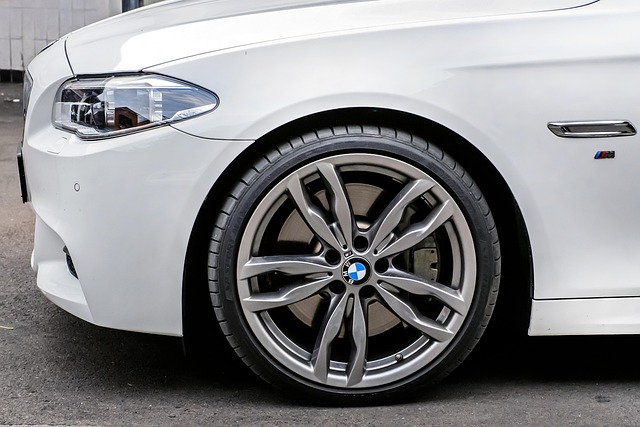
At its core, "Select German Cars" refers to a category of automobiles manufactured by leading German automakers, known for their exceptional craftsmanship and engineering excellence. This segment typically encompasses premium vehicles, including sedans, coupes, SUVs, and sports cars, produced by iconic brands such as BMW, Mercedes-Benz (Daimler AG), Audi, Porsche, and Volkswagen (VW) Group's luxury division.
The historical roots of this category can be traced back to the early 20th century when Germany emerged as a hub for automotive innovation. Brands like Mercedes-Benz and BMW laid the foundation for excellence in engineering, setting benchmarks for performance and luxury. Over time, these manufacturers evolved into global powerhouses, refining their craft and introducing groundbreaking technologies that redefined the driving experience.
Global Impact and Trends: A World-Wide Phenomenon
The influence of "Select German Cars" extends far beyond Germany's borders, shaping automotive markets worldwide. Here’s a breakdown of its global impact and key trends:
- European Dominance: Europe, particularly Germany, has long been the epicenter of automotive innovation. According to data from the International Organization of Motor Vehicle Manufacturers (OICA), Germany consistently ranks among the top automobile producers globally, exporting millions of vehicles annually. This dominance is a testament to the region's rich automotive heritage and advanced manufacturing capabilities.
- North American Market Penetration: German automakers have successfully established a strong presence in North America. Brands like BMW, Mercedes-Benz, and Audi have gained immense popularity, appealing to discerning customers seeking luxury, performance, and cutting-edge technology. The growing demand for these vehicles has led to increased investments and production facilities in the region.
- Asian Market Dynamics: In Asia, "Select German Cars" have found a receptive audience, particularly in countries like Japan and South Korea, known for their love of premium vehicles. German automakers have tailored their offerings to meet local preferences, resulting in successful market penetration. For instance, BMW's X5 SUV has become a popular choice among Asian consumers seeking a blend of luxury and versatility.
- Trends Shaping the Future: Several trends are set to shape the future of "Select German Cars":
- Electric Revolution: The push towards electrification is transforming the automotive landscape. German automakers are at the forefront of developing electric vehicles (EVs), investing heavily in battery technology and sustainable mobility solutions. Porsche's Taycan, for example, has garnered attention as a high-performance electric sports car.
- Autonomous Driving: Advancements in autonomous driving technology present both opportunities and challenges. German carmakers are leveraging their expertise in engineering to develop self-driving systems, aiming to enhance safety and convenience.
- Connectivity and Digitalization: The integration of advanced driver assistance systems (ADAS) and in-car connectivity is becoming standard across "Select German Cars." These features not only improve safety but also provide drivers with enhanced infotainment experiences.
Economic Considerations: Market Dynamics and Investment Patterns
The economic landscape surrounding "Select German Cars" is complex, involving intricate market dynamics and significant investment patterns:
- Market Segmentation: The premium car segment, where "Select German Cars" dominate, is highly competitive and segmented based on price, brand image, and target audience. This segmentation allows automakers to cater to diverse customer preferences and needs.
- Global Sales Performance: According to industry reports, the global luxury car market is expected to reach USD 251.7 billion by 2026, growing at a CAGR of 8.7% from 2021 to 2026. German automakers hold a substantial market share in this segment, with brands like BMW and Mercedes-Benz consistently ranking among the top sellers globally.
- Investment and Manufacturing: The production of "Select German Cars" involves substantial investments in research and development (R&D), advanced manufacturing technologies, and infrastructure. Germany's automotive industry is known for its highly skilled workforce and state-of-the-art production facilities, ensuring high-quality output.
- Economic Impact: The economic significance of this sector extends beyond sales figures:
- Employment: The German automotive industry employs hundreds of thousands of people, contributing significantly to the country's low unemployment rates.
- Export Earnings: Germany's automotive exports generate substantial revenue, playing a crucial role in the nation's balance of trade.
- Spillover Effects: The success of "Select German Cars" has spurred related industries, such as luxury goods, hospitality, and technology sectors, creating a positive economic ripple effect.
Technological Advancements: Driving Innovation Forward
German automakers have consistently pushed the boundaries of automotive technology, setting new standards for performance, safety, and connectivity. Here’s an overview of some significant advancements:
- Engine Technology: German carmakers have pioneered various engine technologies, including turbocharged gasoline and diesel engines, hybrid systems, and electric powertrains. BMW's TwinPower Turbo technology, for instance, offers powerful and efficient engines, while Mercedes-Benz's EQ range showcases their commitment to electrification.
- Safety Systems: "Select German Cars" are renowned for their advanced safety features. Brands like Audi and Volkswagen have developed innovative driver assistance systems, including lane-keeping assist, adaptive cruise control, and automatic emergency braking. These technologies contribute to reducing accidents and enhancing overall safety.
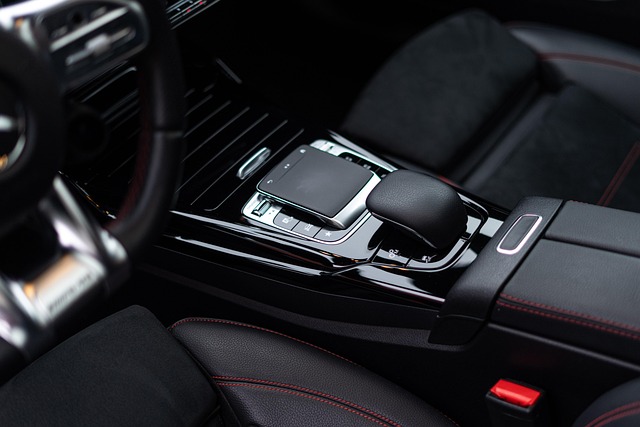
- Connectivity and Infotainment: The integration of infotainment systems has become a key differentiator. German automakers offer cutting-edge in-car entertainment, navigation, and connectivity features. Mercedes-Benz's MBUX (Mercedes-Benz User Experience) system is a prime example, featuring voice control, personalized settings, and advanced user interfaces.
- Autonomous Driving: As mentioned earlier, German carmakers are at the forefront of autonomous vehicle development. They are introducing partial automation and advanced driver assistance systems, paving the way for fully autonomous driving in the future.
Policy and Regulation: Navigating the Regulatory Landscape
The automotive industry, including "Select German Cars," operates within a stringent regulatory framework designed to ensure safety, environmental sustainability, and consumer protection. Here’s an insight into key policies and regulations:
- Emission Standards: Germany, like many countries, has strict emission standards for vehicles. The European Union's (EU) Euro 7 emissions regulations, set to take effect in 2030, will further tighten limits on nitrogen oxide (NOx) and particulate matter emissions. German automakers are investing heavily in developing low-emission technologies to meet these standards.
- Safety Regulations: The EU's New Car Assessment Program (Euro NCAP) sets safety requirements for all new car models sold in the region. "Select German Cars" consistently achieve high scores, reflecting their commitment to engineering safety into every aspect of vehicle design.
- Data Privacy and Connectivity: With the rise of connected cars, data privacy has become a critical concern. The EU's General Data Protection Regulation (GDPR) sets guidelines for handling personal data, impacting how automakers collect and use customer information.
- International Agreements: Global initiatives, such as the Paris Agreement on climate change, influence automotive policies. German carmakers are aligning their strategies with these agreements, aiming to reduce carbon emissions and develop sustainable mobility solutions.
Challenges and Criticisms: Overcoming Obstacles
Despite their undeniable success, "Select German Cars" face several challenges and criticisms that require strategic responses:
- Environmental Concerns: One of the primary criticisms is the environmental impact of traditional internal combustion engines (ICEs). With growing awareness of climate change, there is pressure on German automakers to accelerate the transition to electric vehicles and reduce overall carbon emissions.
- Affordability: Premium pricing has made "Select German Cars" less accessible to a significant portion of consumers. Brands are working on introducing more affordable models while maintaining their quality standards, addressing affordability concerns without compromising performance.
- Supply Chain Disruptions: Global supply chain issues, exacerbated by the COVID-19 pandemic, have impacted production and delivery times for "Select German Cars." Automakers must enhance supply chain resilience to ensure consistent vehicle availability.
- Competition: The luxury car market is highly competitive, with German brands facing challenges from Japanese, American, and other European rivals. Staying ahead in terms of technology, design, and customer experience is crucial to maintaining market leadership.
Actionable Solutions: Strategies for Overcoming Challenges
To address these issues, German automakers can employ the following strategies:
- Electrification and Sustainability: Investing heavily in electric vehicle technology, battery research, and sustainable practices will be essential. Collaborating with governments and industry partners to promote infrastructure development for EV charging is crucial.
- Affordability through Innovation: Developing more affordable models without compromising quality can expand market reach. Modular production platforms and shared technologies across brands may help reduce costs while maintaining performance standards.
- Supply Chain Resilience: Automakers should focus on building resilient supply chains, including diversifying suppliers, implementing advanced inventory management systems, and establishing robust logistics networks.
- Differentiation and Customer Experience: German carmakers can leverage their rich heritage and engineering expertise to create unique, cutting-edge vehicles that offer exceptional driving experiences. Personalized customer engagement and after-sales services will be key differentiators.
Case Studies: Real-World Success Stories
1. BMW i3: A Sustainable Icon
The BMW i3, introduced in 2014, stands as a testament to the brand's commitment to sustainability and innovation. This all-electric urban vehicle has captured the imagination of eco-conscious consumers worldwide. With its lightweight carbon fiber body, efficient electric powertrain, and advanced recycling programs, the i3 offers an environmentally friendly alternative without compromising performance or style. The success of the i3 has positioned BMW as a leader in sustainable mobility, inspiring further electrification efforts across the industry.
2. Mercedes-Benz S-Class: Setting Standards for Luxury
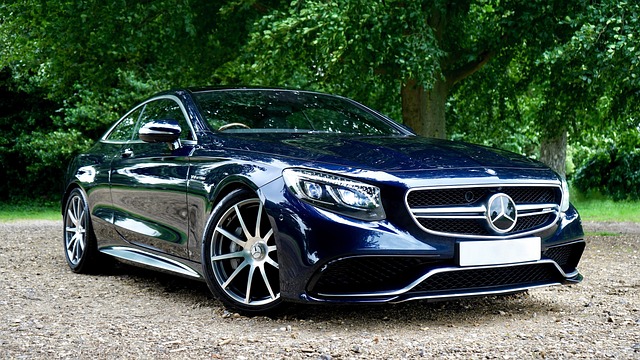
The Mercedes-Benz S-Class is synonymous with luxury and innovation. As one of the best-selling luxury sedans globally, it consistently redefines the segment with its advanced safety features, unparalleled comfort, and cutting-edge technology. The S-Class introduces new levels of driver assistance systems, including semi-autonomous driving capabilities, enhancing both safety and convenience. Its success showcases Mercedes-Benz's ability to blend German engineering excellence with modern luxury, appealing to discerning customers worldwide.
3. Audi e-tron: Electric SUV Revolution
Audi's entry into the electric SUV segment with the e-tron has been a game-changer. This high-performance all-electric vehicle offers a luxurious interior, advanced driver assistance systems, and impressive range. The e-tron has attracted a new generation of buyers to the electric SUV market, challenging traditional gasoline-powered SUVs. Audi's success in this space demonstrates their ability to adapt to changing consumer preferences while maintaining their premium brand image.
Future Prospects: Emerging Trends and Growth Areas
Looking ahead, the future of "Select German Cars" appears promising, with several growth areas and emerging trends on the horizon:
- Electric Vehicle Dominance: The shift towards electrification is set to accelerate, driven by stringent emission regulations and growing consumer demand. German automakers are well-positioned to lead this transition, leveraging their expertise in battery technology and sustainable mobility solutions.
- Autonomous Vehicles: While fully autonomous driving is still some way off, partial automation and advanced driver assistance systems will become more prevalent. German carmakers, with their strong engineering capabilities, will play a significant role in developing these technologies.
- Connected Cars: The integration of advanced connectivity features will continue to enhance the in-car experience. Voice control, augmented reality navigation, and personalized infotainment systems will become standard across "Select German Cars."
- Sustainable Materials: There will be an increased focus on using sustainable materials and production methods. German automakers can leverage their engineering expertise to develop eco-friendly components, reducing the environmental impact of vehicle manufacturing.
- Global Market Expansion: Emerging markets in Asia, South America, and Africa present significant growth opportunities. German carmakers can tailor their offerings to local preferences while maintaining their high-quality standards to capture these expanding markets.
Conclusion: Shaping the Future of Automotive Excellence
"Select German Cars" represent a pinnacle of automotive engineering, combining precision craftsmanship, cutting-edge technology, and an unwavering commitment to quality. From their historical roots in innovation to their global impact and economic significance, these vehicles have left an indelible mark on the industry.
As we look towards the future, German automakers face both challenges and opportunities. The transition to electrification, the rise of autonomous driving, and the evolving expectations of consumers will shape the landscape. However, with their rich heritage, advanced technological capabilities, and strategic vision, "Select German Cars" are poised to continue leading the way in shaping the automotive industry's future.
FAQ Section: Addressing Common Concerns
Q: Are "Select German Cars" more reliable than their competitors?
A: German automakers have a reputation for building reliable vehicles, thanks to stringent engineering standards and rigorous quality control processes. However, reliability can vary between specific models and manufacturers. Regular maintenance and timely updates are essential to ensure optimal performance and longevity.
Q: How do I choose the right "Select German Car" based on my needs?
A: Consider your budget, desired features, and intended use. Research different brands and models, read reviews, and test drive vehicles to find the perfect match that aligns with your requirements and driving style.
Q: What are the latest advancements in "Select German Car" technology?
A: The latest advancements include electric powertrains, advanced driver assistance systems (ADAS), autonomous driving capabilities, and enhanced connectivity features. Stay updated by following automotive news and visiting manufacturer websites to explore these innovations.
Q: How do I maintain the performance and value of my "Select German Car"?
A: Regular servicing, adherence to maintenance schedules, and use of genuine parts are essential. Additionally, driving style, storage conditions, and ownership history significantly impact a vehicle's performance and resale value.
Q: Are there any environmental benefits to owning a "Select German Car"?
A: While traditional ICEs contribute to emissions, many "Select German Cars" offer hybrid or electric variants that significantly reduce carbon footprint. Additionally, responsible recycling practices and sustainable material use by manufacturers contribute to environmental sustainability.