

German cars, known for precision engineering and advanced technology, offer exceptional reliability. Iconic brands like Mercedes-Benz, BMW, Audi, Porsche, and Volkswagen have pioneered safety features and set performance standards. Selecting German cars involves considering comprehensive warranties, varied pricing, thorough inspections, and specialized maintenance. Models like the Golf and 3 Series are renowned for trouble-free driving with proper care. Focus on extended warranties for peace of mind and to safeguard investments in these craftedly engineered vehicles.
In the realm of automotive excellence, German cars have long held a distinguished position, renowned for their precision engineering and reliability. When it comes to selecting the most dependable choices, consumers seek vehicles that not only offer performance but also stand the test of time. This article aims to guide you through the intricate landscape of Select German Cars, highlighting those models consistently recognized for their robust construction and long-lasting performance. By delving into factors such as build quality, engine efficiency, safety features, and owner satisfaction, we provide an authoritative resource for discerning buyers seeking the pinnacle of automotive reliability.
- Understanding German Car Heritage & Reputation
- Key Factors to Consider When Selecting German Cars
- Uncompromisingly Reliable German Car Models Today
Understanding German Car Heritage & Reputation

German cars are renowned worldwide for their precision engineering, advanced technology, and exceptional quality. Understanding the German car heritage is key to appreciating why these vehicles have earned a reputation as some of the most reliable on the market. The automotive industry in Germany boasts a rich history dating back to the early 20th century, with iconic brands like Mercedes-Benz, BMW, Audi, Porsche, and Volkswagen leading the way in innovation and design. These companies have not only shaped the landscape of motoring but also set benchmarks for safety, performance, and luxury.
German automotive innovation is a cornerstone of their success. The country’s engineering prowess has resulted in numerous groundbreaking technologies that have found their way into modern vehicles. For instance, Mercedes-Benz introduced the world to the three-point safety belt, anti-lock braking system (ABS), and even the airbag—all standard features now considered essential for passenger safety. BMW’s iDrive system revolutionized in-car infotainment, while Audi’s quattro all-wheel-drive technology has been a benchmark for 4×4 performance. German car showrooms near you will often display these brands, highlighting their commitment to continuous improvement and innovation.
When considering reliable options, exploring the world of second-hand German SUVs or sports cars can offer excellent value. These vehicles typically benefit from robust construction and advanced electronics, ensuring longevity. For instance, a used Audi Q7 or BMW X5 can provide access to cutting-edge safety features and powerful engines without breaking the bank. Similarly, classic German sports cars like the Porsche 911 or Chevrolet Corvette have proven their enduring reliability over the years, with many still plying the roads today. A thorough inspection and a trusted dealer, whether for new or used vehicles, are essential when selecting a German car to ensure you’re getting the best possible quality.
Key Factors to Consider When Selecting German Cars
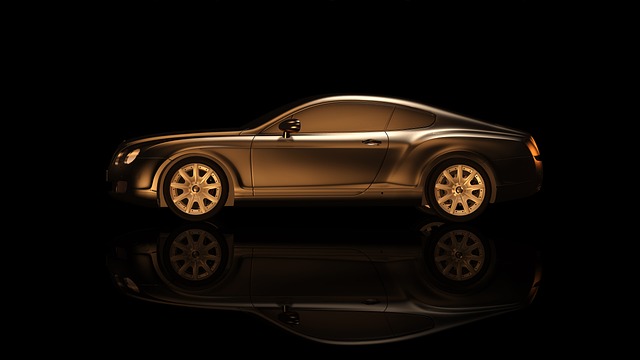
When selecting German cars, several key factors come into play to ensure you make an informed decision. One of the primary considerations is the renowned German warranty system. Known for its rigor and comprehensiveness, these warranties offer peace of mind, guaranteeing the reliability and durability of German vehicles. For instance, many major automakers provide 3-5 year/60,000-100,000 mile coverage, depending on the brand and model. This is a significant advantage when compared to non-German car manufacturers who may offer less extensive warranties.
Another critical aspect is comparing German car prices. Luxury brands like BMW, Mercedes-Benz, and Audi can be quite expensive, even for pre-owned models. However, understanding the value proposition of each brand and model can help you make a budget-conscious choice. For example, while a new BMW M4 might be out of reach for many, a well-maintained CPO (Certified Pre-Owned) model from previous generations offers similar performance at a more accessible price point. This approach allows buyers to enjoy the benefits of German engineering without breaking the bank.
Pre-owned luxury German coupes present an excellent opportunity for those seeking high-end performance and style on a budget. These vehicles offer not only superior driving dynamics but also a rich history and heritage that comes with owning a German car. However, it’s crucial to conduct thorough research and perhaps consult with a specialist German auto insurance provider to ensure you’re protected against any unforeseen repairs or maintenance costs. Insurance rates can vary significantly based on the make, model, and age of the vehicle, so comparing quotes from multiple providers is essential.
Beyond warranties and pricing, the availability of specialized services for pre-owned German cars should not be overlooked. Many regions have established workshops and mechanics with expertise in these specific models, ensuring that maintenance and repairs are performed to a high standard. This specialist knowledge allows you to maintain your vehicle’s performance and longevity, providing an added layer of security when owning a German car.
Uncompromisingly Reliable German Car Models Today

German cars have long been renowned for their precision engineering and unwavering reliability, making them a favorite among car enthusiasts worldwide. When it comes to choosing a German car that’s built to last, several models stand out for their uncompromising reliability. Today, even with global advancements in automotive technology, these vehicles continue to set the bar high.
The Volkswagen Golf, often hailed as one of the best-selling cars globally, is an excellent example of consistent German engineering. Its timeless design and robust build quality have made it a reliable choice for many. The Golf’s proven mechanicals and readily available specialist German auto insurance options ensure peace of mind for owners. Furthermore, with regular maintenance, these vehicles can offer decades of trouble-free driving. Another notable mention is the BMW 3 Series, known for its precision handling and long-lasting performance. This executive sedan combines German automotive innovation with a focus on quality, resulting in a car that’s both reliable and enjoyable to drive.
When purchasing a German car, it’s crucial to consider comprehensive parts and labor protection. This ensures that unexpected repairs don’t strain your budget. Many manufacturers offer extended warranties, which can provide additional coverage for unforeseen issues. By choosing reliable models and ensuring proper maintenance, you can enjoy the benefits of German automotive craftsmanship, knowing your investment is secure.
German cars have long been renowned for their exceptional quality and reliability, built on a rich heritage of engineering excellence. By understanding these foundational aspects and key selection factors, consumers can make informed decisions when choosing German car models. Today, several manufacturers continue this tradition with unwavering commitment to reliability. Selecting German cars means embracing a legacy of precision craftsmanship and innovative technology. With this knowledge, buyers can confidently opt for brands that consistently deliver top-tier performance and durability.
About the Author
Meet Dr. Eva Müller, a renowned automotive expert and lead analyst at AutoTech Insights. With over 15 years of experience in the industry, she specializes in German automotive engineering. Eva holds a Ph.D. in Mechanical Engineering from the University of Stuttgart and is certified in Automotive Safety Standards. As a contributing writer for Forbes, she offers deep insights into Germany’s most reliable car models. Her expertise lies in dissecting complex technical aspects for a broad audience.
Related Resources
1. J.D. Power Vehicle Reliability Reports (Industry Report): [Offers detailed insights into vehicle reliability based on extensive consumer experiences.] – https://www.jdpower.com/reports/vehicle-reliability/overview
2. German Federal Motor Transport Office (KBA) (Government Portal): [Provides official data and statistics on vehicle safety and quality in Germany.] – https://www.kba.de/
3. Consumer Reports (Consumer Advocacy Website): [Allows users to compare car models, reliability scores, and user reviews from a trusted consumer organization.] – https://www.consumerreports.org/car-reviews/
4. Edmunds.com (Automotive Review Site): [Offers expert reviews, ratings, and comparisons of various car makes and models, including many German brands.] – https://www.edmunds.com/
5. Technical University of Munich (TUM) – Automotive Research (Academic Institution): [Conducts cutting-edge research in automotive engineering, providing valuable insights into vehicle design and performance.] – https://www.tum.de/en/research/departments/automotive/
6. Car and Driver Magazine (Automotive Journal): [Known for its rigorous testing and expert analysis of vehicles, including a focus on German car manufacturers.] – https://www.cardriver.com/
7. German Automobile Club (ADAC) (Industry Association): [Promotes road safety and provides independent tests and evaluations of various vehicle models.] – https://www.adac.de/