
Germany leads global automotive engineering with brands like BMW, Mercedes-Benz, Audi, and Volkswagen producing reliable, high-performance cars. Select German Cars consistently top reliability lists due to robust engineering, low maintenance costs, and expert servicing. When purchasing used, access to genuine parts and service centers is vital. Popular models like Golf, 3 Series, and C-Class are durable; customization enhances performance. German brands, including Mercedes-Benz, Audi, and Porsche, are globally recognized for reliability. Modern advancements include ADAS and electrification. Regular maintenance with high-quality parts ensures longevity. Proactive care and engagement with automotive communities provide valuable insights.
In the realm of automotive reliability, few names carry as much weight as Germany. Known for their precision engineering and stringent quality control, German cars have long been considered among the most dependable on global roads. However, with a plethora of brands and models vying for attention, identifying the truly reliable Select German Cars can be a challenging task. This article aims to provide an authoritative guide, meticulously vetting and ranking the top contenders based on performance, safety features, owner satisfaction, and maintenance records. By the end, readers will have a clear understanding of which German car manufacturers and models consistently deliver on their promise of longevity and dependability.
- Unveiling Germany's Automotive Heritage
- Key Factors: Choosing Reliable German Cars
- Iconic Models: A Journey Through Time
- Modern Innovations in German Engineering
- Maintaining Your Select German Car: Tips & Tricks
Unveiling Germany's Automotive Heritage
Germany has long been recognized as a global leader in automotive engineering, with a rich heritage of crafting some of the world’s most reliable and high-performance German automobiles. This reputation is built on centuries of craftsmanship, innovation, and an unwavering commitment to quality. When discussing the most reliable German cars, several factors come into play, including durability, safety features, and expert servicing.
The select German cars that top reliability lists often include models from established brands like BMW, Mercedes-Benz, Audi, and Volkswagen. These manufacturers have consistently scored high in various consumer reports and independent tests for their long-lasting performance. For instance, the BMW 3 Series and the Mercedes-Benz C-Class are renowned for their robust engineering, with many owners reporting low maintenance costs over the years. Similarly, Volkswagen’s Golf and Jetta models are known for their dependability, offering a balance between performance and affordability, making them among the cheapest German models that don’t compromise on quality.
Beyond individual models, Germany’s automotive industry excels in providing excellent expert servicing. Regular maintenance is crucial for any vehicle’s longevity, and German car owners can benefit from a network of highly skilled technicians trained to service specific makes. This ensures that performance german automobiles remain in top condition, enhancing their reliability over time. When purchasing a used German car, it’s essential to consider the local availability of genuine parts and servicing centers, as this will impact the overall ownership experience and the vehicle’s long-term reliability.
Key Factors: Choosing Reliable German Cars
When selecting a reliable German car, several key factors come into play. Firstly, consider classic German models renowned for their durability; vehicles like the Volkswagen Golf or BMW 3 Series have proven their mettle over decades. These models offer a blend of robustness and refined engineering that sets them apart in terms of reliability. Secondly, customising your German vehicle allows you to tailor it to your specific needs while ensuring top-notch performance. Upgrading parts such as brakes, suspension, and engine components (1-3 times depending on use) can significantly enhance both the car’s reliability and its overall driving experience. For instance, opt for high-quality German parts from reputable manufacturers to maintain the integrity of the vehicle’s design and functionality.
Data from industry reports suggests that German cars consistently rank among the most reliable in global markets, with brands like Mercedes-Benz, Audi, and Porsche maintaining a strong reputation in this regard. This reliability is not merely superficial; it stems from rigorous engineering standards and meticulous craftsmanship that characterise German automotive culture. Moreover, many modern German vehicles come equipped with advanced safety features and regular software updates, further bolstering their reliability over time.
In terms of practical advice, conduct thorough research before purchasing. Read owner reviews, consult automotive experts, and inspect the vehicle’s service history. By doing so, you can make an informed decision that ensures not only reliability but also long-term satisfaction with your German car. Remember, selecting a German vehicle is more than just buying a car; it’s about embracing a legacy of engineering excellence and quality built to last.
Iconic Models: A Journey Through Time
German automobiles have long been renowned worldwide for their precision engineering, innovative technology, and iconic design—a testament to the country’s rich automotive heritage. As one delves into the vast landscape of German car brands, a journey through time reveals several models that have left an indelible mark on both the industry and everyday drivers. This exploration of select German cars offers a unique perspective on why certain vehicles have become timeless classics while also shedding light on the diverse range available for every budget, from affordable German car imports to expensive automobiles that command significant attention and prices.
The iconic Mercedes-Benz 300SL Gullwing, introduced in the 1950s, stands as a symbol of automotive artistry. Its distinctive design and groundbreaking engineering made it an instant classic, revolutionizing sports car aesthetics. Similarly, the Volkswagen Beetle, with its rounded contours and efficient layout, became a global phenomenon, offering affordable coverage for Germans while also charmed international audiences. More recently, Audi’s A4 and BMW’s 3 Series have consistently topped the charts for their blend of performance, luxury, and advanced technology, appealing to both practical buyers and enthusiasts. These models represent the culmination of German automotive excellence, blending timeless styling with cutting-edge features.
Navigating the market, one discovers a diverse range of options catering to various preferences and budgets. For those seeking affordable German car imports, brands like Opel and Ford offer compelling choices without compromising quality or reliability. Conversely, high-end models from Porsche and AMG represent the pinnacle of automotive achievement, commanding substantial prices but delivering unparalleled performance and prestige. It’s worth noting that while some select German cars may be expensive, they often retain their value better than many of their international counterparts, ensuring a solid investment for enthusiasts and collectors. Ultimately, whether one opts for an iconic classic or a modern masterpiece, the journey into the world of German automobiles promises an experience that transcends mere transportation—it’s a testament to engineering prowess and design excellence.
Modern Innovations in German Engineering
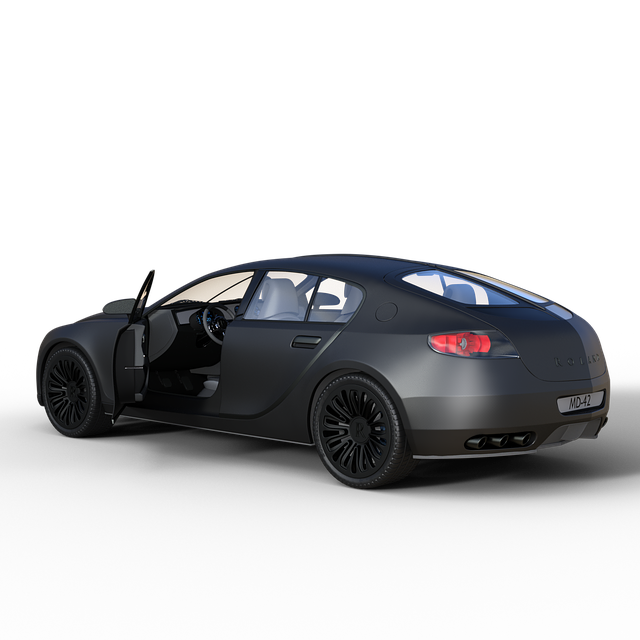
German cars have long been synonymous with precision engineering and cutting-edge technology. In recent years, the industry has continued to innovate, incorporating modern advancements that enhance performance, safety, and sustainability. When it comes to reliable German cars, the focus on innovation is evident in models across various segments—from compact sedans to luxury SUVs.
One notable example of this evolution is the introduction of advanced driver-assistance systems (ADAS). Select German Cars like the Mercedes-Benz E-Class and BMW 5 Series now feature sophisticated features such as autonomous emergency braking, lane-keeping assist, and adaptive cruise control. These innovations not only improve safety but also set a new standard for premium driving experiences. Furthermore, many German car manufacturers are investing heavily in electrification, with models like the Tesla Model S and Audi e-tron leading the way in battery technology and zero-emission driving.
In terms of maintenance, keeping your German car running smoothly requires access to high-quality upgraded German parts. Regular service intervals and adhering to manufacturer recommendations for maintenance are crucial. The premium German aftermarket offers a wide range of options, ensuring that owners can replace parts with those that meet or exceed original equipment quality standards. For instance, genuine Mercedes-Benz or BMW parts are designed specifically for each model, guaranteeing optimal performance and reliability. Additionally, German car insurance quotes can be competitive, reflecting the value placed on these high-quality vehicles.
Beyond individual models, the overall trend towards innovation in German engineering is a game-changer. It not only enhances the driving experience but also underscores the commitment of these manufacturers to sustainability and safety. As technology continues to advance, expect even more exciting developments from this industry leader, ensuring that German cars remain at the forefront of automotive evolution.
Maintaining Your Select German Car: Tips & Tricks
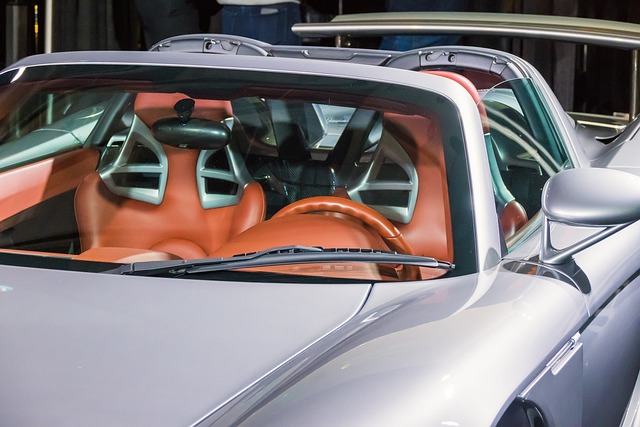
Selecting a reliable German car is just the first step; maintaining it to ensure longevity and optimal performance requires thoughtful strategies. This is particularly true for luxury German coupes, known for their precision engineering but demanding meticulous care. A key factor in keeping your select German car in top shape is regular service. Adhering to the manufacturer’s recommended maintenance schedule ensures that essential components are checked and lubricated at the right intervals. For instance, engines require periodic oil changes, while brakes necessitate frequent inspections to maintain safety and efficiency.
Accessing quality parts and expert repairs is crucial for German car owners. While pre-owned luxury German coupes can offer significant savings, ensuring genuine or certified used parts is vital. Reputable dealers provide easy financing options, including low-interest loans tailored for Germans, making it affordable to acquire these high-quality parts. Moreover, extending your warranty coverage—often available for 1-3 times the base cost—can offer peace of mind and significant savings on unexpected repairs.
Practicing proactive maintenance can prevent costly breakdowns. Regularly checking fluid levels, tire wear, and battery health are simple yet effective strategies. Additionally, understanding common issues specific to German car models allows owners to be vigilant. For example, certain models may require specialized care for their advanced systems. Engaging with online forums and consulting with experienced mechanics can provide invaluable insights into maintaining your select German car effectively.
By exploring Germany’s rich automotive heritage, understanding key factors for reliable German car selection, delving into iconic models throughout history, and staying informed about modern innovations, you are equipped to make informed decisions when selecting German cars. The article has provided valuable insights on maintaining these vehicles, emphasizing the importance of regular care. As you move forward, remember that choosing Select German Cars involves a blend of respecting traditional engineering excellence while embracing contemporary advancements. This comprehensive guide ensures you not only acquire a reliable vehicle but also an enduring driving experience.