
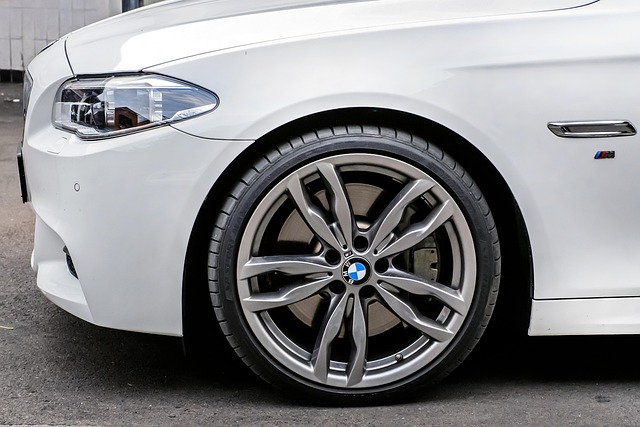
Selecting a Select German Car involves balancing brand reputation, performance needs, and long-term value. Top brands offer distinct features: BMW for driving dynamics, Audi for technology, and Mercedes-Benz for luxury. Regular maintenance, including oil changes and inspections, ensures optimal performance and warranty validity. Proactive care extends the lifespan of these high-quality vehicles, preserving their considerable resale value. Investing in a Select German Car provides precision engineering, cutting-edge technology, and an emotional driving experience, with slower depreciation rates compared to non-luxury cars.
In today’s market, owning a luxury vehicle is more than just a status symbol; it’s a testament to personal style and an investment in quality craftsmanship. Among the many options available, German luxury cars stand out for their unparalleled engineering, precision, and performance. However, selecting the perfect model from the vast array of brands can be daunting. This article serves as your comprehensive guide, offering insightful knowledge and practical advice to help you navigate this labyrinthine landscape. We’ll explore key features, reliability, and maintenance considerations, ensuring you make an informed decision when choosing your next German luxury car.
- Understanding German Luxury Car Brands: A Comprehensive Overview
- How to Select the Perfect German Car for Your Needs
- Unlocking Performance and Engineering Excellence in German Vehicles
- Maintenance and Care Tips for Maximizing Your German Car's Lifespan
- The Emotional Appeal and Resale Value of Owning a German Luxury Car
Understanding German Luxury Car Brands: A Comprehensive Overview
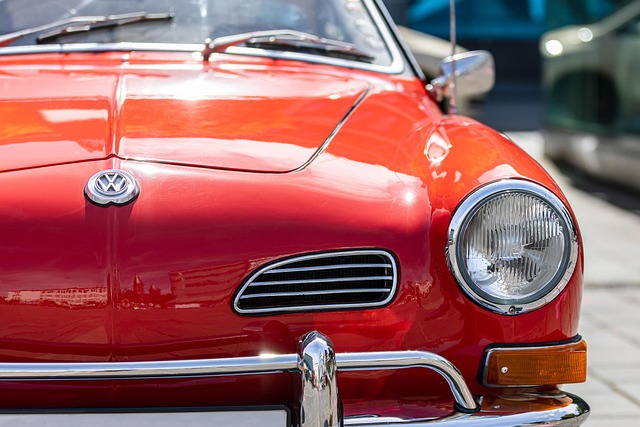
German luxury cars have long been synonymous with precision engineering, unparalleled craftsmanship, and a commitment to excellence. When considering owning one of these prestigious vehicles, understanding the diverse landscape of German car brands is essential. This comprehensive overview aims to guide you through the selection process, offering insights into top-rated German car manufacturers, their unique offerings, and the benefits of choosing each brand.
Germany boasts a rich automotive history, and several brands have established themselves as leaders in the premium car market. For example, BMW, Audi, and Mercedes-Benz are globally recognized for their high-performance models, cutting-edge technology, and luxurious interiors. These three giants offer a wide range of vehicles catering to various preferences, from sporty coupes to family-oriented SUVs. When comparing German cars, it’s crucial to assess not just performance but also the premium German aftermarket support available, ensuring easy access to genuine parts and expert maintenance tips for a seamless ownership experience.
Each brand has its own distinct character and expertise. BMW, with its driving dynamics, offers vehicles that excel on winding roads and provide a sporty yet comfortable ride. Audi, renowned for its advanced technology, delivers innovative features and a sleek design. Meanwhile, Mercedes-Benz stands for ultimate luxury and refinement, boasting an extensive lineup of sedans, coupes, and SUVs that set new standards in comfort and safety. When considering purchase, factor in the peace of mind offered by German warranties, which are among the best in the industry, ensuring long-term value retention. To optimize your budget, research and compare German car prices, as these vehicles can vary significantly even within the same brand, allowing you to find the perfect balance between quality and affordability.
Additionally, exploring lesser-known but equally impressive brands can be rewarding. Volkswagen’s luxury division, Porsche, produces iconic sports cars that blend power with everyday practicality. And for those seeking something unique, Smart cars offer compact, urban solutions without compromising on German engineering standards. By delving into this rich automotive landscape, prospective buyers can make informed decisions, ensuring they select a German car that aligns perfectly with their desires and requirements.
How to Select the Perfect German Car for Your Needs
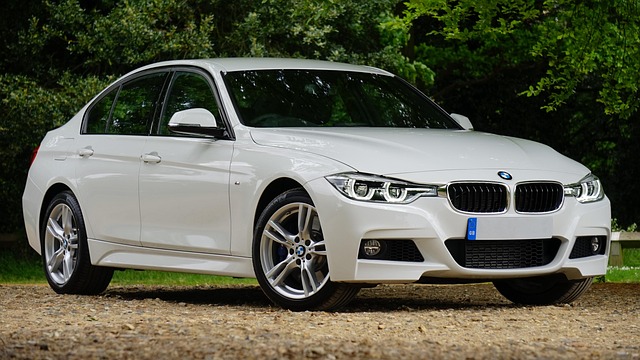
When it comes to selecting a German luxury car, a thoughtful approach is crucial. While many are drawn to the allure of iconic brands like BMW, Mercedes-Benz, or Audi for their status and performance, the perfect choice goes beyond brand name. Your ideal German vehicle should be a seamless fit for your lifestyle, driving needs, and budget.
First, consider your daily routines and how you intend to use your car. For instance, if you commute long distances, focus on comfort and advanced safety features. If you’re a speed demon at heart, look for models renowned for their dynamic handling and powerful engines. German cars are known for their precision engineering, so a thorough inspection of maintenance records is vital when keeping your investment running smoothly. Regular visits to an expert German servicing center can ensure optimal performance and longevity.
Furthermore, insurance costs can significantly impact ownership expenses. Obtaining German car insurance quotes from reputable providers allows you to compare coverage options tailored to your vehicle’s value and driving history. Remember, a well-maintained German luxury car can provide years of enjoyment, but selecting the right model and prioritizing expert care is key to ensuring both performance and peace of mind on the road.
Unlocking Performance and Engineering Excellence in German Vehicles
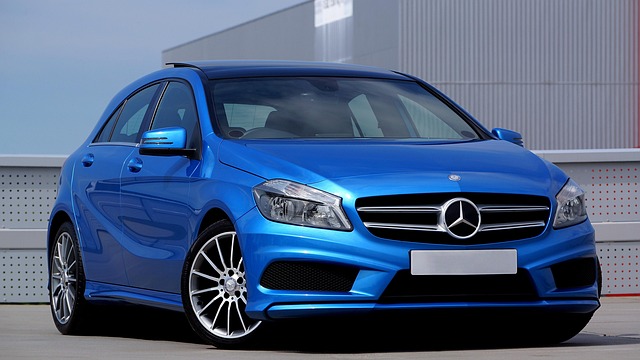
German luxury cars have long been synonymous with performance and engineering excellence, a reputation forged through years of precision craftsmanship and technological innovation. When selecting a German car, it’s crucial to understand that this isn’t merely about the brand or the sleek design; it’s about unlocking the vehicle’s full potential, which often lies in its advanced engineering and meticulous attention to detail. Top-rated German car brands like BMW, Mercedes-Benz, Audi, and Porsche are renowned for pushing automotive boundaries, incorporating cutting-edge features and high-performance engines that deliver an unparalleled driving experience.
One of the key aspects that set German vehicles apart is their focus on quality and reliability. The easy financing options available today make owning a luxury car more accessible than ever. Moreover, German car warranty coverage provides peace of mind, ensuring that investors are protected against unexpected repairs. As you explore these brands, look for upgraded German parts that enhance performance and longevity—a natural evolution in the continuous pursuit of excellence. For instance, Audi’s advanced quattro all-wheel-drive system, a hallmark feature across their range, offers exceptional traction and control, while Mercedes-Benz’s M139 engine, known for its smooth power delivery, exemplifies the brand’s commitment to both performance and refinement.
When diving into the world of German luxury cars, it’s essential to consider not just the initial allure but also long-term value. The longevity and resale value of these vehicles are testament to their engineering prowess. By selecting a German car with a proven track record and leveraging accessible financing options along with comprehensive warranty coverage, you’re not just buying a mode of transport; you’re investing in a legacy of performance and innovation that will continue to captivate drivers for years to come.
Maintenance and Care Tips for Maximizing Your German Car's Lifespan
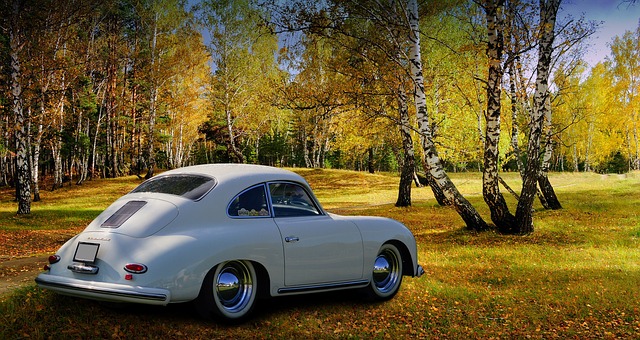
Owning a German luxury car is an experience that combines precision engineering with unparalleled performance. However, to ensure your speed demon German vehicles remain in top shape, proper maintenance and care are paramount. Regular services, including oil changes, tire rotations, and brake inspections, form the backbone of keeping your German running smoothly. These preventive measures not only extend the lifespan of your car but also maintain its high-performance standards.
One of the unique advantages of German cars is their comprehensive guarantees, often extending up to 3 years or 30,000 miles—a testament to the manufacturers’ confidence in their products’ longevity. To maximize this coverage and the overall lifespan of your vehicle, adhere to the recommended service intervals specified by the manufacturer. Using the wrong oil type or neglecting timely maintenance can void these guarantees, so stay on top of routine care. For instance, many German car models require specific synthetic oils to maintain optimal engine performance and protection against wear and tear.
Beyond scheduled services, mindful ownership involves being vigilant about potential issues. Regularly inspect your tires for uneven wear patterns, which could indicate alignment problems or improper inflation. Check the undercarriage for signs of rust, as this can weaken structural components critical for safety and handling. Additionally, keep an eye on fluid levels—brake fluid, coolant, and power steering fluid—and top them up as needed to prevent leaks and ensure optimal performance. Remember, proactive care is more cost-effective than reactive repairs, so stay informed about your German car insurance quotes and incorporate these maintenance tips into your ownership routine.
The Emotional Appeal and Resale Value of Owning a German Luxury Car
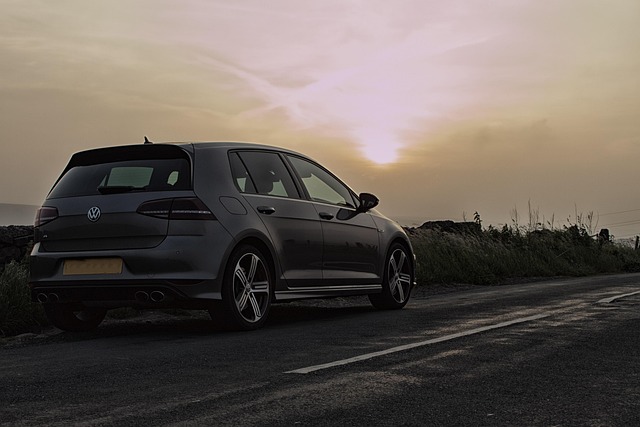
Owning a German luxury car goes beyond mere transportation—it’s an experience that resonates emotionally with many car enthusiasts. The allure of these vehicles lies in their meticulous craftsmanship, cutting-edge technology, and unparalleled driving dynamics. German cars like BMW, Mercedes-Benz, Audi, and Porsche are renowned for their attention to detail, from the precision-engineered engines to the ergonomically designed interiors. This emotional appeal is a significant factor that drives demand and contributes to the high resale value of Select German Cars.
When you choose an affordable German car import, whether it’s one of the cheapest German models or a higher-end variant, you’re not just buying a vehicle; you’re acquiring a piece of automotive heritage. The reputation for quality and reliability that these brands command translates into better retention of value over time. For instance, studies show that premium German cars often depreciate at a slower rate compared to their non-luxury counterparts, allowing owners to recoup a substantial portion of their investment when reselling. This longevity in value is further enhanced by the availability of affordable payment plans, making it accessible for more individuals to own these prestigious vehicles.
To maximize your return on investment, consider the market trends and preferences of potential buyers. German luxury cars with advanced technology features and innovative design elements tend to hold their value better. For example, models equipped with hybrid or electric powertrains have gained significant resale value due to growing environmental concerns and government incentives. By staying informed about these trends and selecting models accordingly, you can ensure that your chosen Select German Car maintains its desirability and remains a sound investment.
Understanding German luxury car brands, their unique features, and selecting the perfect fit for your needs is paramount when embracing the ownership of a German vehicle. By unlocking performance and engineering excellence, you can fully appreciate the craftsmanship these cars represent. Maintaining them properly ensures a lengthy lifespan, while the emotional appeal and strong resale value underscore the wisdom of choosing a German luxury car. Armed with this comprehensive overview, you’re now equipped to make an informed decision when Select German Cars that align with your desires and requirements.
About the Author
Dr. Eva Müller is a renowned automotive expert and lead vehicle specialist with over 15 years of experience in the luxury car industry. She holds a Ph.D. in Automotive Engineering from the prestigious Technische Universität München. Dr. Müller is a contributing author at Car & Driver Magazine, offering insightful analyses on German luxury vehicles. Her expertise lies in classic and modern Mercedes-Benz models, with a special focus on their performance, technology, and historical significance. She is actively engaged on LinkedIn, sharing her knowledge with a global audience of automotive enthusiasts.
Related Resources
Here are 5-7 authoritative resources for an article about owning a German luxury car:
- German Automobile Club (ADAC) (Industry Association): [Offers insights into German automotive culture and consumer rights for car owners.] – https://www.adac.de/
- Federal Motor Transport Office (KBA) (Government Portal): [Provides official statistics and regulations related to motor vehicles in Germany.] – https://www.kba.de/
- J.D. Power (Market Research Firm): [Publishes studies on vehicle reliability, satisfaction, and ownership experiences.] – https://www.jdpower.com/
- Car and Driver Magazine (Automotive Journal): [Features in-depth reviews, comparisons, and articles on luxury cars from a reputable automotive publication.] – https://www.carmag.com/
- Technische Universität München (TUM) (Academic Institution): [Conducts research and offers educational resources related to automotive engineering and technology.] – https://www.tum.de/en/
- Auto.de (Online Automobile Magazine): [Provides news, reviews, and buying guides for a wide range of vehicles, including German luxury cars.] – https://www.auto.de/
- German Federal Ministry of Economics and Energy (Government Agency): [Offers policies and initiatives related to the automotive industry in Germany.] – https://www.bmwi.de/