

German cars, renowned for precision engineering and iconic design, have left an indelible mark on automotive history. Vintage models like the Volkswagen Beetle and BMW 3-Series from the '50s to '80s are sought by collectors globally. Select German Cars, including Porsche, Mercedes-Benz, and BMW classics, require meticulous inspection for quality, reliability, and historical significance. Regular maintenance, authentic parts from authorized dealers, and financing options make owning these timeless vehicles accessible and rewarding. These cars not only preserve automotive heritage but also influence modern design and innovation.
German cars have long been revered for their precision engineering and timeless design, especially those from vintage eras. These classic German automobiles not only represent a rich automotive heritage but also capture the essence of innovation and craftsmanship that has made Germany a leader in the industry. However, finding comprehensive information on selecting these vintage gems can be challenging. This article serves as an authoritative guide, offering insights into the key considerations when purchasing classic German cars, ensuring enthusiasts make informed decisions and uncover the hidden treasures of this iconic automotive landscape.
- Unveiling Iconic German Car Brands
- The Evolution of Vintage Classics
- Key Features to Select German Cars
- Restoring and Maintaining Timeless Gems
- A Historical Drive: Their Impact Today
Unveiling Iconic German Car Brands
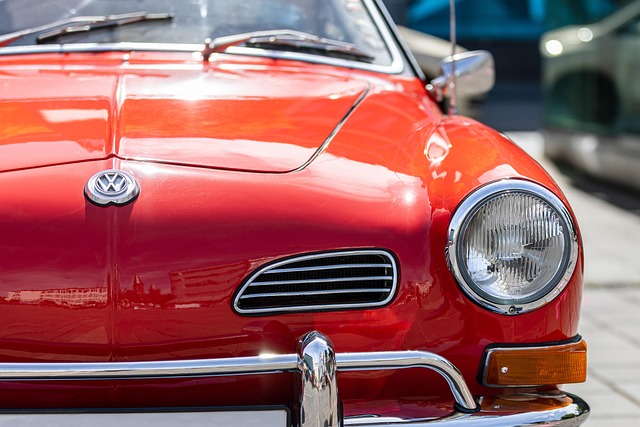
German cars have long been revered for their precision engineering, performance, and iconic design. Among the many remarkable brands, a few stand out as true classics. Make no mistake, these are not just old cars; they represent the pinnacle of automotive craftsmanship from a nation renowned for its technological excellence. Brands like Porsche, Mercedes-Benz, and BMW have carved their names into the annals of motoring history, producing speed demon German vehicles that continue to captivate car enthusiasts worldwide.
Consider the Porsche 911, introduced in 1963, as a symbol of timeless design and driving pleasure. Its rear-engine layout, unparalleled handling, and distinctive styling have made it an instant classic. Similarly, the Mercedes-Benz S-Class has been setting benchmarks for luxury and innovation since its debut in the 1970s. Today, pre-owned luxury German coupes from this era offer a unique blend of historical significance and modern amenities, thanks to expert German servicing that ensures their longevity.
For those seeking a piece of automotive history with a touch of sportiness, the BMW M3 and its predecessor models are worth considering. These speed demon German vehicles have been celebrated for their powerful engines, precision handling, and advanced technology, even in their vintage forms. Investing in pre-owned luxury German coupes from these iconic brands requires careful inspection and due diligence. Look for well-maintained examples with complete service histories to ensure a reliable and rewarding ownership experience.
The Evolution of Vintage Classics

Vintage German cars have evolved significantly over the decades, captivating enthusiasts worldwide with their timeless allure and exceptional engineering. The journey of these classic automobiles reflects a rich automotive heritage, where each era left its mark on design, performance, and technology. Early models, such as the 1950s Volkswagen Beetle, were iconic for their simplicity and practicality, introducing German engineering to the masses. These cars, often referred to as ‘Select German Cars’ for their distinct style, became cultural symbols, reflecting post-war innovation and optimism.
As time progressed, German automotive brands began to focus on performance and luxury, setting new standards in the industry. The 1960s and 70s saw the rise of powerful sports cars like the Porsche 911, which has remained a symbol of German automotive excellence ever since. This era also marked the beginning of sophisticated engineering and advanced design features that would become hallmarks of top-rated German car accessories. Importing these classic German cars has gained immense popularity among collectors, who seek to own a piece of automotive history. However, it’s essential to note that finding the best value in vintage models requires meticulous research and an understanding of their maintenance needs.
The evolution continued into the 1980s and beyond, with brands like Mercedes-Benz and BMW refining their luxury sedans and SUVs. Performance German automobiles during this period became renowned for their precision handling and advanced safety features. Today, these vintage classics are not only cherished by collectors but also admired for their innovative design and engineering, which continue to influence modern car manufacturing. When considering the purchase of a vintage German car, whether through import or local markets, it’s crucial to access top-rated accessories that enhance both functionality and aesthetics, ensuring these historical vehicles remain in optimal condition for future generations.
Key Features to Select German Cars
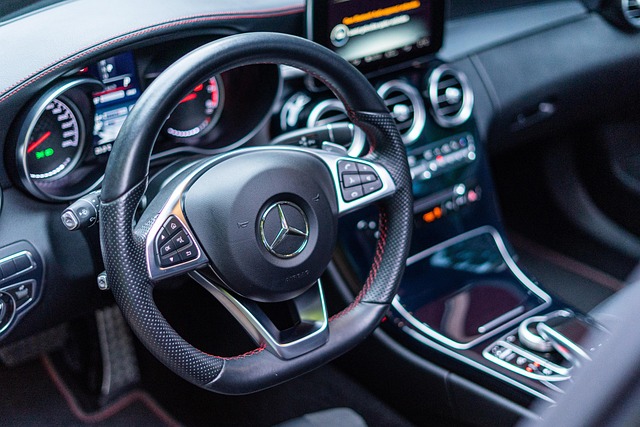
When selecting a vintage classic German car, several key features come into play to ensure you make an informed choice. These iconic vehicles are renowned for their precision engineering and timeless design, making them sought-after classics. Firstly, consider the historical significance and authenticity of the model; Germany has a rich automotive history, with brands like Mercedes-Benz, Porsche, and BMW leading the way in innovation. Each marque offers unique characteristics that define their cars’ legacies. For instance, Porsche’s 911 is an enduring symbol of performance and style, while Mercedes-Benz has consistently pushed boundaries in luxury and safety features.
Another critical aspect to select German cars is understanding the mechanical intricacies. German engineering is known for its sophistication and attention to detail. Vintage models often feature robust engines and precision transmissions, which can be advantageous for enthusiasts seeking restoration projects or driving pleasure. However, aging components may require specialized knowledge for maintenance and repairs, emphasizing the importance of access to expert mechanics or a supportive community of classic car owners.
Financing options also play a significant role in making these premium vehicles more accessible. Many dealers now offer easy financing on luxury cars, allowing buyers to acquire their desired classics without the usual financial hurdles. Additionally, German car warranty coverage can provide peace of mind for investors, especially when purchasing from reputable sellers or participating in well-organized classic car shows. For those seeking a specific model, exploring second-hand markets is advisable; used German SUV’s and sports cars are readily available, offering both variety and value.
Furthermore, the aftermarket for these vehicles deserves consideration. Premium German aftermarket parts ensure that restoration projects can maintain their originality or enhance performance. However, it’s essential to research suppliers to avoid counterfeit components. Regular maintenance is crucial; following the manufacturer’s guidelines for service intervals and utilizing specialized tips for specific models will contribute to the car’s longevity. For instance, regular oil changes and careful attention to brake systems are vital for vintage German cars, ensuring they maintain their stopping power and overall performance.
Restoring and Maintaining Timeless Gems

Restoring and maintaining vintage classic German cars is an art that requires meticulous attention to detail and a deep appreciation for automotive history. When dealing with timeless gems like these, proper care ensures their longevity while allowing owners to relive the driving experience of past eras. The process involves both technical know-how and a passion for preserving automotive heritage.
For those looking to restore a German car, selecting the right model is key. Classic German cars, such as the iconic Volkswagen Beetle or BMW 3-Series, are popular choices due to their cultural significance and readily available spare parts. Customising your German vehicle can add a personal touch but demands a thorough understanding of the car’s original design. Authorised German car dealers offer expertise in both purchasing pre-owned luxury German coupes and providing financing options tailored to classic car enthusiasts. This ensures buyers have access to genuine parts and knowledgeable support throughout their ownership journey.
Maintenance involves regular inspections, fluid changes, and careful restoration techniques. Many owners opt for periodic detailed services to keep their vehicles in pristine condition. For instance, a thorough cleaning and polishing can revive the exterior, while engine flushing ensures optimal performance. The market for pre-owned luxury German coupes has seen steady growth, with models like the 1960s Porsche 356 or 1980s Mercedes-Benz SL attracting collectors worldwide. Proper restoration and ongoing maintenance not only preserve these cars’ value but also safeguard their place in automotive history.
Regular care includes checking for signs of rust, especially in areas prone to corrosion. Replacing worn components and keeping up with routine services are vital. Many restorers recommend a comprehensive inspection every 5,000 to 10,000 kilometres. Additionally, using approved cleaning products and avoiding harsh chemicals ensures the car’s original finish remains intact. By following these practices, owners can keep their vintage German cars not just functional but also visually stunning, allowing them to command respect on the road and at classic car shows alike.
A Historical Drive: Their Impact Today
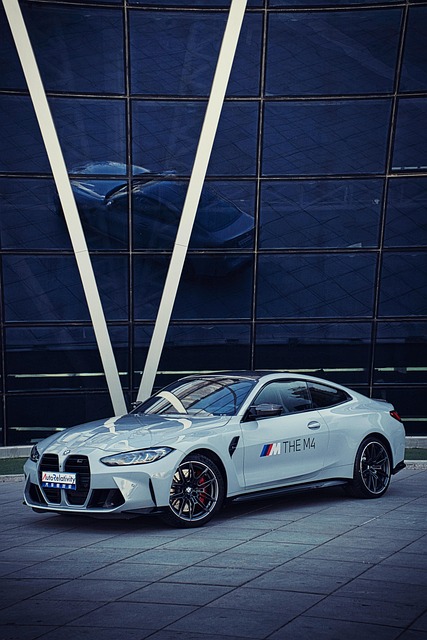
Vintage classic German cars have left an indelible mark on the automotive landscape, shaping driving experiences even today. Their timeless design, innovative engineering, and exceptional performance have earned them a special place in car enthusiasts’ hearts. When we talk about impact, it’s not just about their historical significance; these German classics continue to inspire modern vehicle dynamics and fuel innovation. The legacy of brands like Mercedes-Benz, BMW, and Porsche is evident in today’s luxury and sports car segments, where precision engineering and cutting-edge technology are the norm, thanks to the pioneering work of yesteryear’s German car manufacturers.
Selecting a vintage German car involves more than just picking a beautiful classic; it requires an understanding of their unique requirements and the available support infrastructure. Authorised German car dealers play a pivotal role in this journey, offering not only authentic parts and services but also expertise to maintain these precious vehicles. Finance options from reputable sources can make owning a vintage German car more accessible, with leasing or loan packages tailored for classic car enthusiasts. Moreover, exploring german car showrooms near you allows for a hands-on experience and the chance to inspect potential purchases thoroughly.
The market for luxury German vehicle options is thriving, with many collectors and aficionados seeking not just functionality but also a piece of automotive history. Vintage German cars for sale range from iconic models like the 1960s Mercedes-Benz 300SL Gullwing to the timeless elegance of a 1970s BMW 2002. These vehicles are more than just collectors’ items; they represent a time when craftsmanship and engineering excellence defined the automotive industry. Today, these classics not only serve as a nostalgic drive through history but also as a source of inspiration for modern car design and a testament to German engineering prowess.
By exploring the rich history of vintage classic German cars, from iconic brands to their evolution as timeless gems, this article has provided a comprehensive guide for car enthusiasts. Key insights include understanding the unique features that define Select German Cars, learning best practices for restoration and maintenance, and recognizing the lasting impact these vehicles have had on automotive culture. With practical advice on selecting and caring for these classics, readers are now equipped to appreciate and preserve a vital chapter in automotive history.