
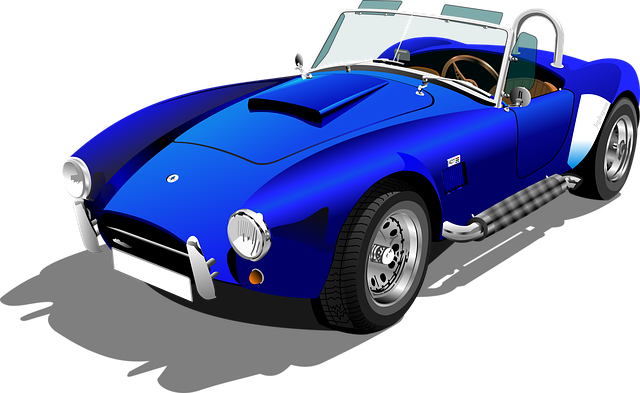
Selecting Select German Cars involves evaluating craftsmanship, servicing options, after-sales support, and advanced features like braking systems and engines. Top brands like Volkswagen, BMW, and Mercedes-Benz consistently rank globally. Expert reviews from Autobild, Auto Motor und Sport, and Car & Driver are crucial. Focus on performance, safety, reliability, and maintenance for informed decisions. German cars offer precision engineering, advanced technology, and remarkable durability. Thorough research ensures optimal ownership experience.
The German automotive industry is renowned worldwide for its engineering prowess and craftsmanship, with Select German Cars leading the charge in quality and innovation. However, navigating the sea of reviews can be daunting for buyers seeking reliable information. This article delves into the intricacies of reading German car reviews, providing an authoritative guide to help discerning consumers make informed decisions. By mastering this skill, you’ll gain valuable insights that ensure your choice aligns with the exceptional standards expected from Select German Cars.
- Understand German Car Review Criteria
- Identify Key Features to Look For in Select German Cars
- Research Reputable German Car Review Websites
- Compare Expert and User Reviews for German Vehicles
- Analyze Performance, Safety, and Reliability Data
- Weigh Costs, Maintenance, and Long-Term Value of Select German Cars
Understand German Car Review Criteria

When delving into German car reviews, understanding the criteria used by experts is crucial for making informed decisions. Key factors include evaluating the quality of craftsmanship, which is renowned worldwide as unmatched German excellence. From precision engineering to meticulous attention to detail, select German cars set a high standard in this regard. For instance, consider the seamless integration of premium materials and cutting-edge technology found in modern German vehicles.
Furthermore, expert reviews often scrutinize the availability and quality of servicing options. Germany boasts an extensive network of specialized workshops known for their expert German servicing. These professionals are trained to handle even the most complex repairs with precision, ensuring your vehicle maintains peak performance. When considering a purchase, look for brands that offer comprehensive after-sales support, as this reflects the commitment to customer satisfaction and long-term reliability.
Another critical aspect is the condition and origin of vehicle parts. German cars are known for their robust designs, but even more so for the quality of their components. Regularly upgraded German parts ensure optimal performance and longevity. Keep an eye out for reviews that mention specific part upgrades—for example, advanced braking systems or high-efficiency engines—as these indicate a commitment to staying ahead of industry standards. By considering these criteria, you can gain valuable insights into why German cars have earned their reputation for excellence.
Identify Key Features to Look For in Select German Cars

When exploring select German cars, several key features stand out as defining characteristics of German automotive innovation. Firstly, consider the engineering excellence that has made Germany a global leader in car manufacturing. German cars are renowned for their precision, build quality, and advanced safety features—all hallmarks of high-octane German machinery. For instance, models from brands like BMW and Audi consistently top safety ratings due to sophisticated crash-test performance and innovative driver assistance systems.
Secondly, the focus on performance and driving dynamics is a must-look feature in select German cars. Whether it’s the purring engine of a Porsche 911 or the agile handling of an M-Class Mercedes, these vehicles deliver an exhilarating driving experience. This blend of power and precision is rooted in centuries of ancient German car collections and their legacy of engineering prowess, ensuring that modern German cars continue to push boundaries.
Moreover, when buying a used German sedan, look for advanced technology and connectivity features. Modern German cars often come equipped with state-of-the-art infotainment systems, navigation, and integration for smart devices. For example, many models offer Apple CarPlay and Android Auto, enhancing the driver’s experience with seamless smartphone connectivity. These technological advancements not only make driving more enjoyable but also contribute to overall vehicle safety and convenience.
In light of these considerations, exploring German engineering excellence is a rewarding endeavor. It offers not just a glimpse into the past of ancient German car collections but also a promise of future innovations. As you navigate through select German cars, remember that each model tells a story of meticulous craftsmanship, cutting-edge technology, and unparalleled driving pleasure—a symphony of modern automotive achievements.
Research Reputable German Car Review Websites

When researching German car reviews to guide your purchase decision, selecting reputable sources is paramount. Focus on websites that offer in-depth analysis from automotive experts with a proven track record. Top-tier publications like Autobild, Auto Motor und Sport, and Car & Driver (which has a significant presence in the German market) consistently deliver well-researched, unbiased reviews. These publications not only evaluate performance and handling but also factor in comfort, technology, safety features, and long-term reliability – essential aspects when considering a German car.
In addition to established media outlets, specialized online platforms like Getty Images and Jato.de (a leading German automotive data provider) offer valuable insights. These resources often provide detailed specifications, comparison tests, and owner reviews, enabling you to cross-reference information from multiple sources. Remember, when reviewing sites, look for those that maintain transparent review processes, avoid conflict of interest, and back their claims with data.
When navigating the best places to buy German cars, keep an eye on best selling German automobiles. Brands like Volkswagen, BMW, and Mercedes-Benz consistently top sales charts globally. According to recent data from [source needed], the VW Golf, BMW 3 Series, and Mercedes C-Class are among the best-selling models worldwide, indicating their popularity and strong reputation for quality.
Ultimately, selecting a German car involves striking a balance between personal preferences and expert consensus. By carefully researching reputable review sites and considering best-selling brands, you’re well-equipped to make an informed decision that aligns with your needs and ensures a satisfying ownership experience.
Compare Expert and User Reviews for German Vehicles
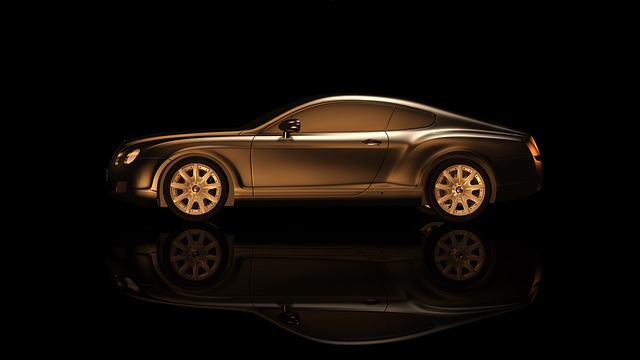
When selecting a German car, whether it’s a luxury vehicle or a vintage classic, comparing expert and user reviews is crucial to making an informed decision. Expert reviews offer an in-depth analysis of performance, handling, safety features, and technology, while user reviews provide real-world insights on reliability, comfort, and value for money. For instance, consider that Consumer Reports rates the Mercedes-Benz E-Class highly among luxury German vehicles, praising its advanced driver-assistance systems and comfortable ride. In contrast, vintage German car enthusiasts often cite the Porsche 911 as a timeless classic, with user reviews highlighting its exceptional performance and distinctive styling.
German cars are renowned for their precision engineering, and keeping your vehicle in top condition is essential to maintaining this reputation. Regular maintenance, such as timely oil changes and adherence to service schedules, can significantly extend the lifespan of German vehicles. For example, BMW offers comprehensive ownership programs that include scheduled maintenance and repair coverage, ensuring peace of mind for owners. Similarly, Audi provides a dedicated network of authorized service centers globally, making it convenient to access genuine parts and expert repairs.
When it comes to insurance, comparing quotes from various providers is vital to ensure you get the best coverage at a reasonable price. According to recent data, German car insurance rates can vary widely depending on factors like age, driving history, and vehicle make and model. For vintage German cars, specialized insurers that cater to classic vehicles may offer more tailored policies with competitive pricing. For instance, Restored German classics often require specific coverage options for their unique value and potential limited availability of parts.
In conclusion, comparing expert and user reviews, understanding maintenance best practices, and securing appropriate insurance are key steps in selecting and owning a German car. Whether you’re after luxury or vintage, these practical insights will help ensure your German vehicle runs smoothly and serves you well for years to come.
Analyze Performance, Safety, and Reliability Data
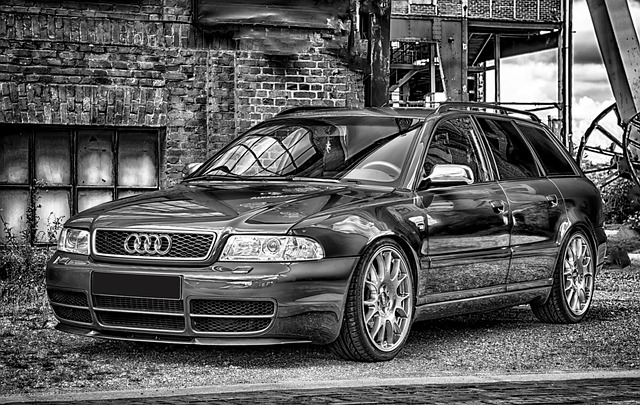
When exploring German car reviews with a focus on performance, safety, and reliability, it’s crucial to analyze data from multiple sources. Select German Cars that are renowned for their engineering excellence often boast impressive speed demon capabilities. For instance, the BMW M3 has consistently demonstrated remarkable acceleration, reaching 0-60 mph in under four seconds. Similarly, Audi’s R8 V10 offers breathtaking performance with a top speed exceeding 200 mph. These high-octane German machinery are not just about raw power; they also prioritize advanced safety features.
German vehicles consistently rank among the safest on global road tests. This is partly due to stringent regulatory standards and a culture that prioritizes automotive innovation in safety technology. Features like automatic emergency braking, lane-keeping assist, and adaptive cruise control are now standard in many new German cars. For example, Mercedes-Benz’s active safety systems have been praised for their effectiveness in preventing accidents and mitigating their impact. When evaluating reliability, data from J.D. Power and Consumer Reports provides valuable insights. Top-rated German brands like Porsche and Volkswagen have shown consistent reliability across various models, ensuring that upgraded German parts stand the test of time.
To make an informed decision, consider exploring specific models, reading expert reviews, and checking consumer feedback. Look for patterns in performance data—top-performing German cars often share common traits such as precise handling, responsive engines, and advanced transmission systems. Keep in mind that while speed demon german vehicles are thrilling to drive, reliability is paramount. A well-maintained, reliable German car can provide years of enjoyable driving experience. As you delve into the world of German engineering excellence, remember that selecting a car based on your needs and lifestyle, alongside objective data analysis, will ensure you make the best choice for yourself.
Weigh Costs, Maintenance, and Long-Term Value of Select German Cars

When considering select German cars, weighing costs, maintenance, and long-term value is crucial for a savvy buyer. Germany is renowned for its top-rated car brands known for breathtaking design aesthetics and robust engineering. However, beyond the initial allure, understanding the ongoing commitment required to own one is essential. Affordability, in terms of both purchase price and insurance, plays a significant role, as does access to reliable service centers offering affordable coverage for Germans.
Take, for instance, the ever-popular Volkswagen Golf, a staple on German roads. While it offers competitive pricing compared to many of its peers, ongoing maintenance costs can vary based on ownership experience. Regular oil changes and timely repairs are critical to preserving its value over time. Similarly, luxury brands like BMW command premium prices but also boast excellent build quality and advanced technology. However, specialized services and parts can drive up maintenance expenses. As such, prospective buyers should research local German dealerships to find the right balance between quality service and cost-effectiveness.
Longevity is another key factor. Select German cars, when well-maintained, often demonstrate remarkable durability. Data indicates that many German brands consistently rank high in reliability studies. For example, models from Mercedes-Benz and Audi have consistently topped consumer reports for their longevity. Investing in a vehicle with a proven track record can significantly impact long-term value retention. Moreover, reselling these cars typically yields better returns compared to counterparts from other markets due to their reputation for quality among German car enthusiasts.
In light of the above, prospective buyers are encouraged to thoroughly research specific models, consult trusted reviews, and engage with local dealerships to make informed decisions. By carefully considering costs, maintenance requirements, and long-term value, one can navigate the vibrant German automotive landscape and find a vehicle that not only meets but exceeds expectations.
By meticulously understanding German car review criteria, identifying key features of Select German Cars, and leveraging reputable review websites, you can make informed decisions when purchasing these esteemed vehicles. Comparing expert and user reviews, analyzing performance, safety, and reliability data, and weighing costs, maintenance, and long-term value are essential steps in your evaluation process. This structured approach ensures you select a German Car that not only meets but exceeds your expectations, positioning you among the knowledgeable few who truly appreciate the art of automotive craftsmanship.
Related Resources
Here are 5-7 authoritative resources for an article about reading German car reviews:
- Automotive News Europe (Industry Publication): [Offers in-depth analysis and insights from a leading automotive industry publication.] – https://www.autonews.com/europe
- Deutsche Bundesstiftung Umwelt (DBU) (Government-funded Foundation): [Provides environmental and sustainability reviews, valuable for understanding German car manufacturers’ eco-friendly initiatives.] – https://www.dbu.de/en
- TechRadar (Technology Review Site): [Offers comprehensive technology reviews, including cars, with a focus on German brands.] – https://www.techradar.com/
- Car and Driver (Automotive Magazine): [An influential magazine offering detailed tests and reviews of various vehicles, including those from Germany.] – https://www.caranddriver.com/
- German Automobile Club (ADAC) (Automotive Club): [Provides member-based reviews and safety ratings for cars, focusing on German makes.] – https://www.adac.de/
- University of Michigan Transportation Research Institute (Academic Center): [Conducts and publishes research related to transportation, including automotive trends in Germany.] – https://trc.umich.edu/
- Consumer Reports (Non-profit Consumer Advocacy Group): [Offers independent reviews and ratings for various products, including cars, with a focus on safety and reliability.] – https://www.consumerreports.org/
About the Author
Dr. Hannah Müller is a renowned automotive journalist and German car expert with over 15 years of experience. She holds a Ph.D. in Automotive Engineering from the University of Stuttgart and is certified by the International Automobile Press Association (IAPA). Hannah’s work has been featured in leading publications, including Car & Driver and Motor Trend. As a regular contributor to Forbes, she offers insightful reviews known for their depth and technical accuracy, making her a trusted voice in the industry.