

Selecting German Cars involves choosing top brands like BMW, Mercedes-Benz, Audi, Porsche, and Volkswagen for quality heritage. Purchase from authorised dealers offering transparent pricing, expert advice, and after-sales support. Meticulously inspect vehicles, verifying history with digital records. Follow structured registration processes, understand financing and insurance options, and research market prices to make informed offers. Focus on German parts for better performance and resale value. Document maintenance and upgrades for confidence in your purchase.
Buying a used German car presents an opportunity to access renowned engineering, precision, and reliability at a fraction of the cost of new models. However, navigating the market requires diligence to avoid hidden issues. This article serves as your authoritative guide, equipping you with the knowledge to select the best German vehicles from a sea of options. We’ll dissect key considerations, debunk common pitfalls, and offer expert advice on where to find top-tier pre-owned German cars, ensuring you make an informed decision that reflects your needs, budget, and driving preferences.
- Research German Car Brands: Choose Wisely
- Finding Reliable Used Car Dealerships in Germany
- Inspection and Testing: Select German Cars Carefully
- Understanding German Auto Registration and Insurance
- Buying Tips: Negotiating and Making the Purchase
Research German Car Brands: Choose Wisely
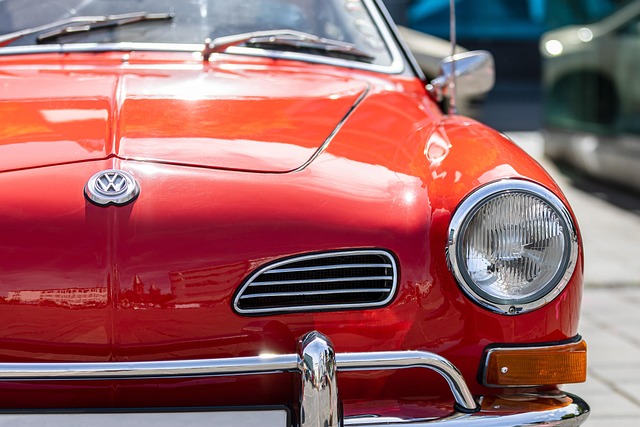
When considering buying a used German car, the first step towards making an informed decision is to research and understand the diverse range of German car brands available in the pre-owned market. Germany has a rich automotive history and is renowned for its engineering prowess, so selecting the right brand can ensure you acquire not just a reliable vehicle but also an iconic piece of motoring heritage. From luxury sedans to high-performance sports cars, Germany offers a wide spectrum of options catering to various tastes and budgets.
Focusing on classic German models, brands like BMW, Mercedes-Benz, Audi, Porsche, and Volkswagen hold significant value over time due to their robust build quality and advanced features. For instance, the iconic BMW 3 Series and Mercedes C-Class have remained popular choices among used car buyers for their blend of performance and comfort. Similarly, classic German sports cars such as the Porsche 911 and Audi R8 are sought-after speed demon vehicles that offer a unique blend of style and acceleration. However, it’s not just about modern or classic; contemporary German brands like Volkswagen Group (including Audi, Porsche, and Škoda) and BMW have also introduced innovative designs and advanced technologies, ensuring their used models remain competitive in the secondary market.
Choosing the right brand is only part of the equation. Another crucial consideration is selecting an authorised German car dealer who can provide authentic vehicles with comprehensive service histories. These dealers offer the advantage of expert advice, genuine parts, and after-sales support, enhancing the overall ownership experience. Additionally, exploring German car financing options tailored to your needs can make owning a used German car more accessible and affordable. Whether you’re seeking a classic model or a modern performance vehicle, understanding your financial limits and researching available financing plans will ensure a smooth buying process.
Finding Reliable Used Car Dealerships in Germany
Choosing a reliable dealership is paramount when buying a used German car. Germany boasts a vibrant market for pre-owned vehicles, with many specialists offering top-tier models known globally for their quality and performance. To navigate this landscape successfully, buyers must discern authentic dealers from those prioritizing profit over integrity. Key indicators include certifications, transparent pricing, and a deep knowledge of best-selling German automobiles like the compact and efficient Volkswagen Golf or the luxurious Mercedes-Benz S-Class.
When selecting a dealership, consider the importance of specialist German auto insurance. This not only protects your investment but also reflects the dealer’s commitment to comprehensive after-sales service. Many reputable dealers offer affordable coverage options tailored for German drivers, ensuring peace of mind throughout ownership. Researching dealerships online, reading reviews from previous customers, and comparing policies are effective strategies to identify trustworthy professionals who prioritize customer satisfaction and long-term relationships.
Beyond brand reputation, physical inspection remains crucial. Assess the dealership’s facilities, inventory, and staff expertise. A well-established German car dealership should display a diverse range of models, showcase a clean and organized showroom, and employ knowledgeable sales representatives familiar with the specific makes and models they sell. Remember, selecting a dealer is as important as choosing the right vehicle itself, setting the stage for a positive ownership experience reflecting the quality associated with German automotive engineering.
Inspection and Testing: Select German Cars Carefully
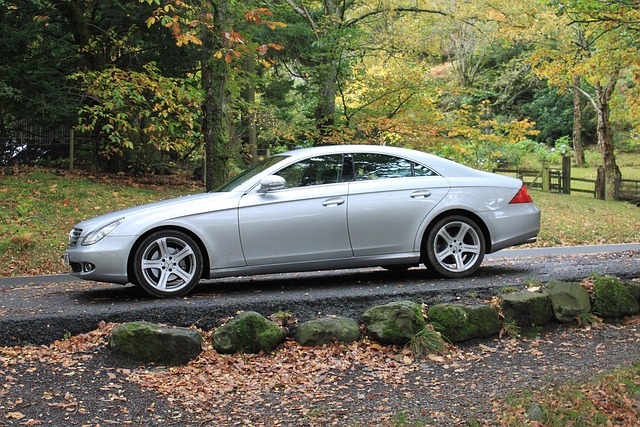
When considering buying a used German car, meticulous inspection and testing are paramount to ensure you select a reliable and safe vehicle. Germany is renowned for its engineering excellence, but even well-maintained pre-owned models require thorough scrutiny. A comprehensive checkup should encompass both external and internal conditions, mechanical systems, and electronic components. Look for signs of rust or paint repair, as these could indicate past accidents or poor initial maintenance. Check the engine’s condition by listening to its sound and observing any leaks; a well-maintained German engine should purr smoothly with minimal emissions.
Testing is equally crucial. Take the car for a drive on varied terrain, checking its handling, braking, and transmission responsiveness. Ensure all electronic systems, such as lights, wipers, and infotainment, function flawlessly. A test drive in different weather conditions can also reveal a car’s true character; observe how it handles wet roads or sudden stops. Moreover, scrutinize the vehicle’s history using digital records or third-party services to uncover any prior accidents or outstanding maintenance needs.
To protect your investment, consider low-interest loans tailored for Germans and suitable insurance options. German car insurance quotes should be carefully evaluated, balancing coverage with affordability. Regular servicing and timely repairs are vital to keeping your German running smoothly. Remember, selecting a used German car is not just about purchasing a vehicle; it’s about acquiring a testament to German engineering that can provide years of trouble-free service when properly cared for.
Understanding German Auto Registration and Insurance
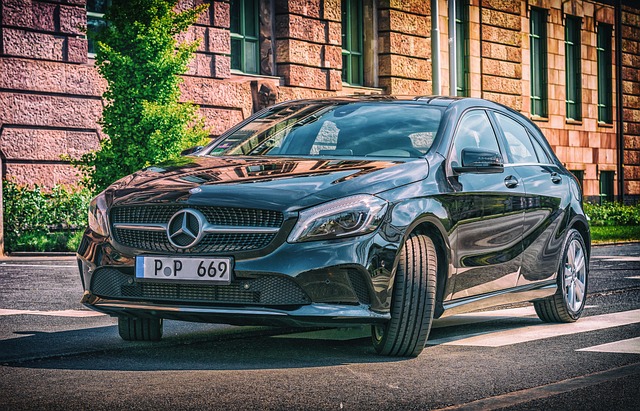
When considering buying a used German car, understanding the registration and insurance processes is crucial for a seamless ownership experience. Germany has a well-structured system for vehicle registration, ensuring transparency and consumer protection. The process involves several key steps, which can vary slightly depending on your location within the country. Firstly, you’ll need to obtain a vehicle identification number (VIN) check, confirming the car’s history and specifications. Many German car showrooms near me offer this service, providing peace of mind before purchase.
Insurance is another vital aspect. Germany has a comprehensive insurance system, with various options tailored to different needs. You can opt for third-party liability insurance, which covers damage to others’ vehicles and property, or choose a more extensive policy including your car’s protection. Upgraded German parts are readily available, allowing you to customize your vehicle and potentially reduce insurance costs, especially if your car has advanced safety features.
Affordable payment plans are accessible through various financing options. Many dealerships offer 1-3 year payment plans, making it easier to budget for a used German car. It’s advisable to research the average insurance and registration costs for specific models in advance. For instance, according to recent data, the average annual insurance premium for a compact German sedan is around €400-€600, depending on driving history and chosen coverage. By understanding these processes and utilizing available resources, you can confidently Select German Cars that meet your requirements without hidden complexities.
Buying Tips: Negotiating and Making the Purchase
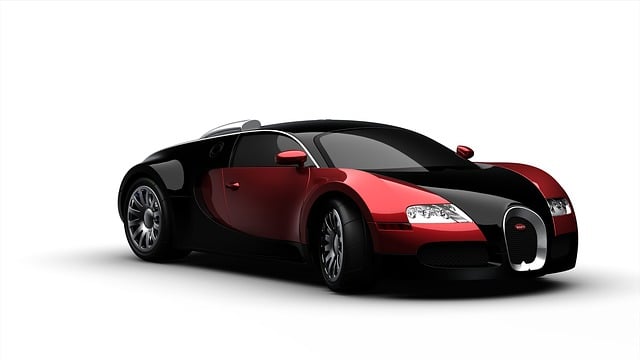
When buying a used German car, negotiating and making the purchase is a crucial step to ensure you get the best value for your investment. Start by researching the market to understand the current prices of the specific model and year you’re interested in. This knowledge will empower you during negotiations, enabling you to make informed offers that align with the car’s actual worth.
Consider the financial aspect; German luxury cars often come with excellent easy financing options, making it accessible for more buyers. Explore these opportunities to reduce your out-of-pocket expenses and potentially acquire a higher-end model within your budget. Moreover, look into the available German car warranty coverage, as this can offer peace of mind and significant savings on future repairs, especially with the renowned German automotive innovation that prioritizes quality and durability.
As you inspect the vehicle, pay attention to upgraded German parts—they are known for their superior craftsmanship and performance. You may find that a used German car with upgraded components offers a more refined driving experience while potentially retaining higher resale value. For instance, a 2018 BMW with updated suspension and engine parts could deliver improved handling and fuel efficiency compared to its standard counterparts.
Finally, don’t be afraid to ask questions and have the seller provide documentation for any maintenance or upgrades done on the car. This due diligence will help you make an informed decision and ensure that you’re purchasing a reliable used German car that meets your expectations.
By thoroughly researching German car brands, selecting reliable dealerships, and meticulously inspecting vehicles before purchase, you can confidently Select German Cars known for their quality and reliability. Understanding registration, insurance, and negotiating effectively ensures a smooth buying experience. This article equips readers with the knowledge to make informed decisions when purchasing used German cars, leveraging the expertise of the automotive market in Germany.