
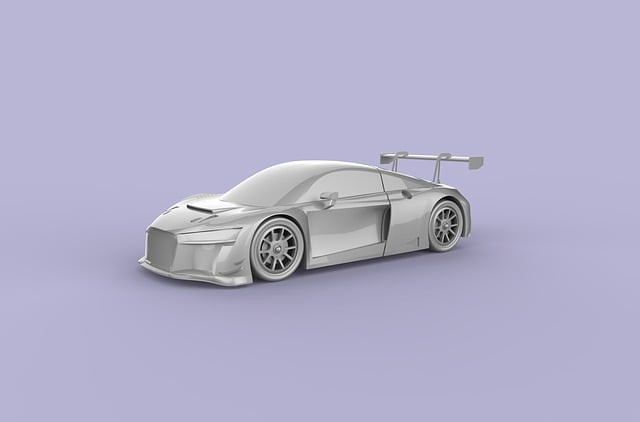
Select German Cars based on individual needs, balancing precision engineering, technology, and budget. Research brands for unique features: Mercedes-Benz luxury, Audi assistance, Porsche sports cars, Mini compactness. Choose certified pre-owned or online platforms for reliable sellers, comparing prices and specifications. Maintain longevity with regular service, bi-annual inspections, and timing belt care for modern models. For classics, understand unique maintenance needs to maximize investment value.
In today’s market, purchasing a used car can offer significant savings without compromising quality. Among the many options available, selecting a German car provides an attractive blend of performance, reliability, and craftsmanship. However, navigating this process requires diligence to ensure value and avoid common pitfalls. This article serves as your comprehensive guide, empowering you to make informed decisions when buying a used German car. We’ll explore key considerations, from identifying reputable sources to understanding vehicle history, ensuring you select the perfect ride that aligns with your needs and budget.
- Researching German Car Models: Select Your Perfect Match
- Finding Reliable Sellers: Buying from Trusted Sources
- Expert Maintenance Tips: Ensuring Longevity of Your German Car
Researching German Car Models: Select Your Perfect Match
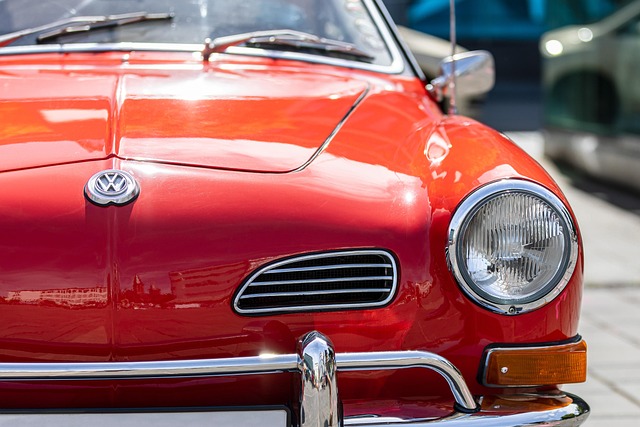
When considering buying a used German car, thorough research is paramount to ensure you select the perfect match for your needs and driving style. Germany is renowned worldwide for its automotive excellence, and their vehicles are often associated with precision engineering, advanced technology, and exceptional build quality. However, navigating the vast array of German car models can be daunting. This section provides an expert guide to help you make an informed decision.
Start by identifying your specific requirements. Consider factors such as intended use (daily commute, long-distance travel, off-roading), budget constraints, and personal preferences for performance and fuel efficiency. For instance, if you’re looking for a family car that offers both comfort and safety, models like the Volkswagen Golf or BMW 3 Series have proven popular choices due to their comprehensive German guarantees and excellent parts and labor protection plans. These brands are known for their longevity and relatively low maintenance costs, making them attractive options in the used car market.
Furthermore, understanding the differences between various German car manufacturers is essential. Each brand has its unique design philosophy and technological strengths. Take, for example, Mercedes-Benz, renowned for its luxury interiors and cutting-edge safety systems, or Audi, known for its advanced driver-assistance features and sleek aesthetics. Porsche offers a range of high-performance sports cars, while brands like Mini focus on compact designs with big personalities. Once you’ve narrowed down your preferences, delve into the specific models within each category to find the ideal combination of style, functionality, and performance that aligns with your needs.
When buying an imported German car, whether it’s once or multiple times, be mindful of factors such as warranty coverage, local road conditions, and potential import taxes. Many reputable dealers offer comprehensive German guarantees, ensuring peace of mind for owners. These guarantees often include parts and labor protection, covering unexpected repairs and maintenance costs. Researching these aspects beforehand can save you from unforeseen expenses. Ultimately, a well-informed decision will ensure not only a satisfying ownership experience but also the longevity and reliability of your chosen German vehicle.
Finding Reliable Sellers: Buying from Trusted Sources

When considering buying a used German car, finding reliable sellers is paramount to ensure you’re getting a quality vehicle at a fair price. One of the best ways to do this is by selecting reputable sources known for their authentic and well-maintained offerings. Many enthusiasts opt to import German cars directly from local dealers or trusted private sellers, which offers several advantages.
Starting with certified pre-owned (CPO) programs provided by major dealerships is a smart initial step. These programs vet and guarantee the condition of vehicles, offering peace of mind for buyers. Moreover, many CPO programs come with extended warranties, giving you added protection against unexpected repairs. For instance, Volkswagen’s CPO program includes a 10-year/100,000-mile warranty, while BMW’s offers a 5-year/60,000-mile warranty. Such certifications are a strong indicator of a seller’s commitment to quality and customer satisfaction.
Additionally, exploring online platforms specializing in imported German automobiles can yield excellent results. These sites often connect buyers with sellers who have invested heavily in maintaining and customizing their vehicles. You might find an expensive German automobile that has been meticulously cared for and enhanced with desirable features through these channels. For instance, platforms like CarGurus or eBay Motors offer a wide array of options, allowing you to compare prices and specifications easily. Remember that when customising your German vehicle, whether it’s through aftermarket parts or factory options, the right seller can guide you in making informed choices while ensuring the modifications enhance, not detract from, the car’s overall value.
Expert Maintenance Tips: Ensuring Longevity of Your German Car

Buying a used German car offers a unique blend of quality, performance, and precision engineering, but ensuring longevity requires expert maintenance tips. Germany is renowned for its automotive heritage, producing iconic models that are both powerful and reliable. When considering a used option, buyers should look beyond speed demon German vehicles; instead, focus on models known for their durability, such as the classic BMW 3-Series or Mercedes-Benz C-Class. These cars offer a balance between performance and dependability.
Regular maintenance is crucial to keeping your German car in top shape. Schedule timely service visits adhering to the manufacturer’s recommended intervals. For instance, many German vehicles benefit from bi-annual inspections that include oil changes, filter replacements, and thorough checks of critical systems like brakes and suspension. A well-maintained engine can last 200,000 kilometers or more, providing years of trouble-free driving. Remember, a German car’s warranty—often extensive—can offer peace of mind but should complement, not replace, diligent ownership care.
Inspecting key components like the timing belt and its related parts is essential, as these are known to fail in some models if not serviced properly. Keep detailed service records, which can be invaluable when comparing German car prices, especially for classic models that may have unique maintenance requirements. For example, older Volkswagen Beetles or Audi 80s might need specific fluids and parts that modern cars do not. By understanding these nuances, you’ll ensure your investment retains its value over time.
By thoroughly researching German car models, selecting a vehicle that aligns with your needs and preferences, and prioritizing reliability from trusted sellers, you can ensure a satisfying purchase of a used German car. Maintaining your investment through expert care tips will further extend its longevity and performance. In summary, selecting the right German car involves due diligence in model research, choosing reputable sources, and adopting proactive maintenance practices – key takeaways that empower buyers to make informed decisions and enjoy their automotive choices for years to come.