
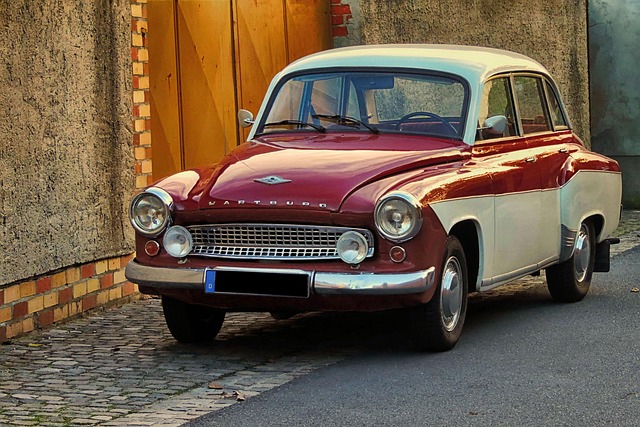
Importing Select German Cars involves understanding stringent regulations, leveraging warranties, comparing prices, securing financing, and accessing tailored insurance. Renowned brands like BMW, Mercedes-Benz, Audi, Porsche, and Volkswagen offer diverse models with precision engineering and innovation. Legal import requires careful documentation, customs clearance, and compliance with local registration and plate acquisition, guided by specialist insurers. Reputable dealers ensure high-quality vehicles, affordable payment plans, and seamless ownership experiences while adhering to legal standards.
Importing a German car has long been a dream for many automotive enthusiasts. Germany is renowned for its engineering excellence, and Select German Cars have become the pinnacle of quality and performance globally. However, navigating the legal aspects can be daunting. This article provides an authoritative guide to ensure a seamless process when importing these iconic vehicles. We’ll delve into the critical considerations, from understanding applicable laws and customs regulations to selecting the right model and ensuring compliance. By following our expert advice, you’ll be well-equipped to bring your desired German car home legally and with confidence.
- Understanding German Car Import Laws
- Select German Cars: Models & Brands
- Legal Documentation & Customs Requirements
- Ensuring Smooth Post-Import Ownership
Understanding German Car Import Laws

Importing a German car legally requires a deep understanding of the regulatory framework governing such transactions. Germany has stringent standards for vehicle import, ensuring consumer safety and environmental protection. Among these regulations, the type approval process is paramount, mandating that vehicles meet strict criteria before entering the market. This process involves rigorous testing by authorized bodies to certify safety, emissions, and quality, guaranteeing that Select German Cars meet the highest standards.
One key aspect to consider is the German warranty coverage, which offers peace of mind for buyers. Many German car manufacturers provide comprehensive warranties that can extend for several years or hundreds of thousands of kilometers. When importing, it’s crucial to verify that any used vehicle still falls within the manufacturer’s warranty period, ensuring easy access to repair and maintenance services. Moreover, comparing German car prices is essential; market fluctuations and exchange rates can significantly impact the overall cost. Utilizing online tools and dealer networks facilitates this process, allowing you to easily finance these luxury cars through affordable coverage options tailored for both locals and international buyers.
German car owners also benefit from accessible financing options, with many banks and credit unions offering competitive rates on auto loans. For those looking to import, exploring these financing avenues ensures a smooth purchasing experience. Additionally, the ease of insurance for German cars cannot be overstated. Local insurers often provide affordable coverage tailored to specific vehicle types, ensuring that owners can protect their investment while adhering to legal requirements. This accessibility contributes to the overall desirability and affordability of Select German Cars in the global market.
Select German Cars: Models & Brands
When it comes to selecting a German car for import, the options are as vast and varied as the models themselves. Germany is renowned for its high-octane machinery, and exploring the country’s engineering excellence can be a thrilling endeavor. Brands like BMW, Mercedes-Benz, Audi, Porsche, and Volkswagen dominate the global automotive landscape, each with its unique blend of performance, luxury, and innovation. For instance, consider the iconic BMW M models, known for their precision handling and raw power, or the sleek and technologically advanced Tesla Model S which, while not German, has spurred German car manufacturers to push the boundaries of electric vehicle (EV) technology.
Focusing on specific models and brands is key when selecting a German car. Each manufacturer offers a range of vehicles catering to diverse preferences and needs. Audi’s Q5 or Q7, for example, provide a perfect balance between luxury SUV comfort and dynamic driving performance. Mercedes-Benz’s C-Class and E-Class sedans are benchmarks for their respective segments, combining cutting-edge technology with meticulous craftsmanship. For those seeking the ultimate in sports car experiences, Porsche’s 911 or Cayman models offer a blend of handling precision and engine sound that is simply unmatched. Customizing your German vehicle adds another layer to the ownership experience. Whether it’s choosing unique interior colors, upgrading the audio system, or installing performance enhancements, the possibilities are only limited by your imagination.
German automotive innovation is not just about the latest gadgets and gizmos; it’s a commitment to pushing boundaries and setting new standards in safety, efficiency, and sustainability. For instance, Mercedes-Benz’s development of the S-Class has consistently set benchmarks for luxury and advanced driver assistance systems (ADAS). Similarly, Volkswagen’s focus on electric mobility with models like the ID.3 and ID.4 is a testament to its dedication to a greener future. As you explore German engineering excellence, keep an eye on these innovations, as they can significantly influence your decision-making process. Remember that selecting a German car should be about more than just brand or model; it’s about embracing a legacy of precision engineering and driving pleasure.
Legal Documentation & Customs Requirements

Importing a German car legally involves navigating a series of strict documentation and customs requirements. As Germany is part of the European Union (EU), cars imported from within the bloc generally follow simplified procedures. However, when dealing with pre-owned luxury German coupes or other select German cars, understanding these nuances becomes critical. One key step is securing the necessary legal documents, such as a valid registration certificate (Zulassungsbescheinigung) and a vehicle identification number (VIN), which can be obtained from the previous owner or a specialist German auto insurance provider.
Customs clearance is another vital aspect. Importers must complete a customs declaration form, providing details about the car’s make, model, year, and value. They may also need to pay applicable duties and taxes based on the vehicle’s classification and origin. It’s not uncommon for vehicles over a certain age or value to attract additional levies, which can be mitigated by purchasing from reputable dealers in best places to buy German cars known for their high-quality pre-owned inventory. For instance, cities like Munich or Stuttgart are renowned hubs for selecting top-tier used German automobiles.
Insuring your imported German car is equally important. Specialist German auto insurance companies can provide tailored coverage options, ensuring compliance with local regulations and offering peace of mind on the road. They can also guide importers through specific requirements, such as registering the vehicle with the local authorities and obtaining a number plate. By following these procedures diligently, you not only ensure the legal import of your select German car but also enhance its longevity and performance, especially when it comes to pre-owned luxury coupes seeking to uphold their esteemed reputation.
Ensuring Smooth Post-Import Ownership

Importing a German car legally is a multifaceted process that requires careful navigation to ensure a smooth ownership experience post-import. One of the key considerations for prospective owners is selecting a reputable source and understanding the nuances of the market. When choosing your vehicle, whether it’s a pre-owned luxury German coupe or a speed demon German sports car, opt for trusted dealers who specialize in importing. These experts can guide you through the intricacies of customs clearance, legal documentation, and compliance issues.
For instance, Germany is renowned for its rigorous safety and emissions standards, ensuring that imported vehicles meet high-quality criteria. When dealing with pre-owned luxury German coupes, it’s essential to verify the vehicle’s history and service records to maintain its value and performance. Many importers offer detailed reports and certifications to build trust with buyers. Additionally, exploring affordable payment plans can make the import process more accessible, whether your budget leans towards a classic speed demon German vehicle or an entry-level, yet premium, coupe.
To ensure a seamless transition as an owner, stay informed about local regulations and insurance requirements specific to imported cars. Some countries may have restrictions on certain makes or models, so consult with both importers and local authorities. By following these guidelines, you can confidently embrace the experience of owning a German car, whether it’s a classic or a modern speedster, while adhering to legal and safety standards.
Importing a German car legally involves navigating several key steps, from understanding stringent laws to ensuring proper documentation. By Select German Cars with care, considering their models and brands, you lay the groundwork for a smooth process. This article has provided invaluable insights into Legal Documentation, Customs Requirements, and post-import ownership, empowering readers to make informed decisions. Ultimately, by following these guidelines, you can confidently bring your desired German vehicle into compliance, enjoying a seamless transition as you Select German Cars that meet your needs and expectations.